
Why Scalable Pricing Matters in Business Software
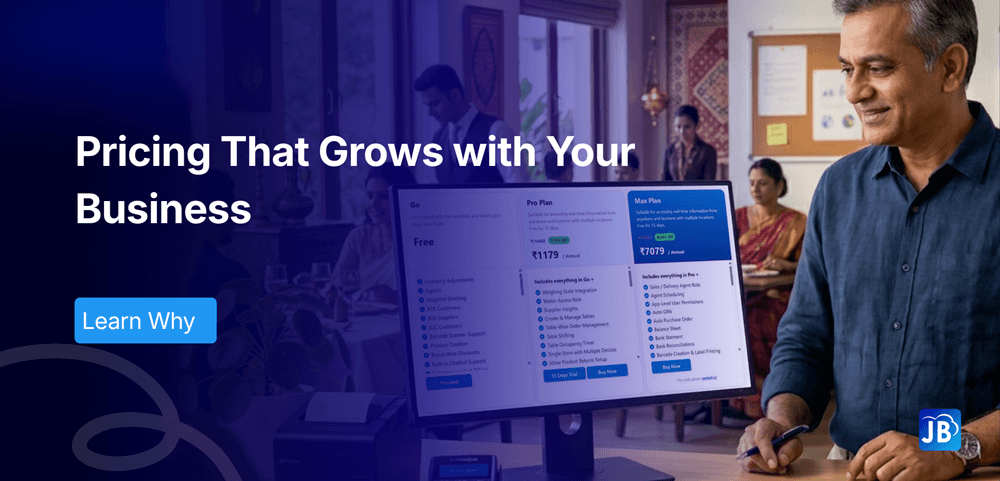
Choosing business software isn’t just about features it’s about how well the solution grows with you. Many businesses invest in tools that meet their current needs but struggle when operations expand. This is where scalable POS pricing and flexible POS plans become critical.
A well-designed pricing model ensures that businesses only pay for what they use while having the freedom to upgrade as they grow. In a competitive environment where margins are tight and customer expectations are rising, scalable pricing is no longer optional, it’s a strategic advantage.
Understanding the POS Software Industry
The blog clearly falls within the POS software and SaaS industry, particularly focusing on retail and restaurant technology. Over the last decade, the POS industry has shifted from one-time license models to cloud-based subscription systems.
According to industry reports, over 65–70% of businesses now prefer subscription-based POS systems, primarily due to flexibility, lower upfront costs, and scalability. However, not all pricing models are designed equally. Many businesses still struggle with rigid pricing tiers that either overcharge or underdeliver.
This is where scalable pricing models create a real competitive advantage.
What Is Scalable Pricing in Business Software?
Scalable pricing refers to a model where businesses pay based on their size, usage, or feature requirements, rather than a fixed, one-size-fits-all plan.
Instead of forcing businesses into rigid packages, flexible POS plans allow them to start small and expand as their operations grow.
A scalable pricing model typically includes:
- Tiered plans (basic to advanced)
- Add-on features
- Pay-as-you-grow options
- Multi-location flexibility
This approach ensures that businesses only pay for what they actually need, no more, no less.
Why Scalable POS Pricing Matters
1. Supports Business Growth Without Friction
Every business evolves. A small café today might expand into multiple outlets tomorrow. With scalable pricing, there’s no need to switch systems or face migration challenges.
Businesses can:
- Upgrade features as needed
- Add users or locations seamlessly
- Expand without operational disruption
This continuity plays a critical role in long-term success.
2. Reduces Financial Risk
Traditional software often requires heavy upfront investment. In contrast, flexible POS plans distribute costs over time, making it easier for businesses to manage cash flow.
Studies show that businesses adopting subscription based software can reduce upfront costs by up to 40%, allowing them to invest more in growth activities like marketing or inventory.
3. Aligns Cost with Usage
One of the biggest frustrations with rigid pricing is paying for features that are never used. Scalable pricing solves this problem by aligning costs with actual usage.
For example:
- A small retail shop may only need billing and inventory
- A growing restaurant may require delivery integrations and analytics
- A large chain may need multi-location reporting and advanced automation
Each stage demands different capabilities and scalable pricing ensures fair cost allocation.
4. Encourages Faster Adoption of Technology
Businesses are more likely to adopt new software when the entry barrier is low. Flexible POS plans allow startups and small businesses to start with minimal investment.
This leads to:
- Faster onboarding
- Lower hesitation in decision-making
- Improved digital transformation across industries
Key Features of Effective Scalable POS Pricing Models
A truly scalable pricing system is more than just multiple plans. It should be designed with real business scenarios in mind.
Transparent Pricing Structure
Clear pricing builds trust. Businesses should easily understand what they’re paying for and why.
Modular Add-Ons
Instead of forcing upgrades, software should offer optional features like:
- Payment integrations
- Delivery platform connections
- Advanced reporting tools
Multi-Platform Accessibility
Modern businesses operate across devices. Pricing should include access across Windows, Android, iOS, and backoffice systems.
Integration Flexibility
A scalable POS should integrate with third-party platforms like payment gateways, eCommerce systems, and delivery apps without hidden costs.
Real-World Example: Scaling a Restaurant Business
Consider a small restaurant that starts with basic billing software. As it grows, it begins offering online delivery through platforms like Swiggy and Zomato, introduces QR menu ordering, and manages multiple payment methods.
Without scalable pricing, this business would either:
- Pay excessively from the beginning
- Or switch systems midway, losing valuable data
With scalable POS pricing:
- It starts with essential features
- Gradually adds integrations and automation
- Expands smoothly without disruption
This flexibility is what modern businesses need.
Expert Insights: What Businesses Should Look For
Choosing the right pricing model is not just about affordability it’s about long-term sustainability.
Businesses should evaluate:
- Whether pricing grows with operations
- If features are customizable
- The availability of real-time analytics
- Integration capabilities with existing systems
- Support for multiple currencies and tax compliance
Ignoring these factors often leads to hidden costs and operational inefficiencies later.
How Just Billing Solves the Scalability Challenge
Just Billing understands that no two businesses grow the same way. That’s why it offers flexible POS plans (GO, PRO, MAX) designed to scale alongside your operations.
With Just Billing, businesses can start small and expand seamlessly without changing platforms.
Key Advantages
- Smart Payments with support for cards, Stripe, PayPal, and in-store transactions
- Real-time Profit & Loss insights for better decision-making
- QR Menu for contactless ordering and improved customer experience
- Integration with Swiggy and Zomato for delivery management
- Multi-currency support for global operations
- WhatsApp invoices and automated payment reminders
- Inventory, loyalty programs, and customer management
Whether you’re a small retailer or a growing restaurant chain, Just Billing ensures your software evolves as fast as your business.
Conclusion
Scalable pricing is no longer just a pricing strategy, it’s a growth enabler. Businesses that adopt flexible POS plans gain the ability to expand seamlessly, control costs, and adapt to changing market demands.
In a world where agility defines success, investing in the right pricing model can make the difference between stagnation and sustained growth.
If you’re looking for a POS solution that grows with your business, Just Billing offers the flexibility, features, and scalability you need to succeed.
FAQ's:
Scalable POS pricing is a flexible pricing model that allows businesses to adjust their software plan based on growth, usage, or feature requirements.
They reduce upfront costs and allow businesses to upgrade features as they grow, avoiding unnecessary expenses.
Businesses only pay for what they use, eliminating wasteful spending and ensuring better alignment between cost and revenue.
Yes, most scalable systems allow easy expansion across multiple locations without needing separate software.
Just Billing provides tiered plans (GO, PRO, MAX) with flexible features, allowing businesses to upgrade as needed.
Search for article
Popular Posts
Download Our App
Share the Post
Explore our POS Software
Retail Billing Software
Super market, Grocery, Electronics, Gift Shops & Stationery
Restaurant Billing Software
Take away, Self service, Ice cream parlor, Coffee shop, Bakery
POS for Service Business
Accountant, Lawyer, Consultant, Photographer
Join Our Newsletter
Receive the latest blog posts, industry insights & exclusive Just Billing updates directly to your inbox.