
Why Multi-Platform POS Systems Matter for Modern Businesses
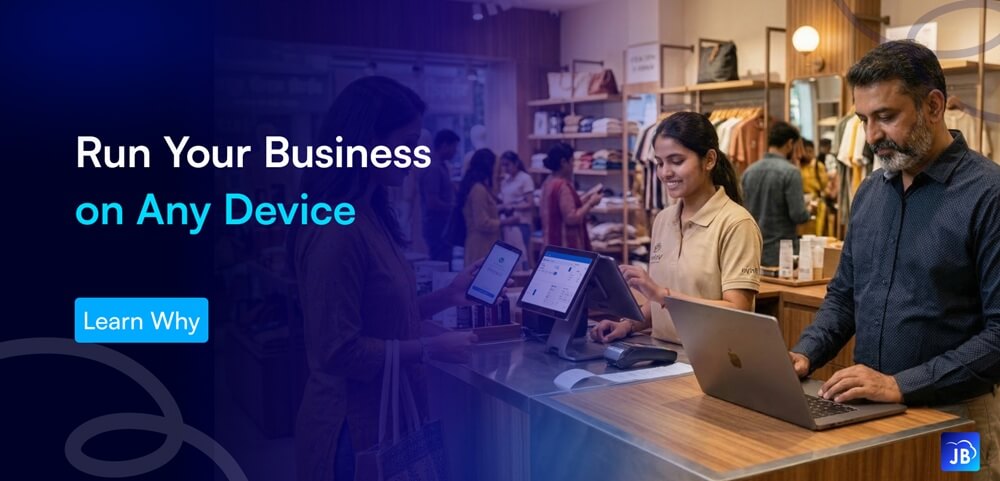
Modern businesses rarely operate from a single device anymore. A store manager might check reports from a laptop, a cashier might process transactions from a tablet, and the owner might monitor sales from a smartphone. In this multi-device environment, relying on a POS system that works on only one platform can severely limit efficiency.
This is where a multi-platform POS becomes essential. Instead of being restricted to a single device or operating system, businesses gain the ability to manage sales, inventory, and customer data across multiple devices and environments.
According to industry reports, over 70% of retail and restaurant businesses now rely on cloud-enabled POS systems, many of which operate across several device types. This flexibility is quickly becoming a standard requirement rather than a luxury.
In this article, we explore why POS for multiple devices is transforming modern business operations and how companies can benefit from adopting a cross-platform POS ecosystem.
The Evolution of POS Systems in Modern Business
Traditional POS systems were designed around a single machine placed at the checkout counter. These systems were often tied to a specific operating system and required expensive hardware upgrades whenever changes were needed.
However, business operations have evolved significantly.
Retail stores now operate across physical stores, online platforms, and delivery channels. Restaurants handle dine-in, takeaway, online ordering, and third-party delivery services simultaneously. In this environment, rigid POS systems cannot keep up.
Modern POS platforms now support:
- Windows desktops at billing counters
- Android tablets for mobile billing
- iPhones or iPads for floor service
- Cloud dashboards for management
A multi-platform POS ensures that every team member can access the system from the device best suited to their role.
Solutions like those provided by Just Billing are designed specifically for this modern environment, enabling businesses to operate across Windows, Android, iOS, and centralized back-office systems without operational disruption.
What Is a Multi-Platform POS System?
A multi-platform POS system is a point-of-sale software solution that operates seamlessly across different operating systems and device types.
Instead of locking businesses into a single platform, the software works consistently across desktops, mobile devices, tablets, and cloud dashboards.
This means the same POS environment can function on:
- Windows computers at checkout counters
- Android tablets for mobile billing
- iOS devices for service staff
- Cloud dashboards for business owners
All of these devices stay synchronized through a centralized database, allowing real-time updates across the entire business.
For growing companies, this flexibility is crucial. It enables teams to perform tasks from anywhere without losing control over business data.
Why Multi-Platform POS system Matter for Modern Businesses
1. Operational Flexibility
Modern businesses need the ability to operate from different devices depending on the situation.
A retail store might process billing on a desktop while sales staff use tablets to assist customers on the shop floor. Restaurants may use tablets for orders and desktops for billing.
A POS for multiple devices allows teams to switch devices seamlessly without interrupting operations.
This flexibility improves efficiency and customer experience.
2. Faster Customer Service
Speed is critical in customer-facing industries.
For example, a clothing store employee using a tablet POS can check stock availability instantly without leaving the customer. A restaurant waiter can take orders directly at the table using a mobile POS.
These capabilities reduce waiting times and improve service quality.
Businesses that reduce checkout time often see higher customer satisfaction and increased sales.
3. Device Independence
A single-platform POS system can create limitations when businesses want to upgrade hardware or introduce new devices.
Multi-platform POS software eliminates this problem.
Businesses can choose the most suitable device for each task, whether it is:
- Windows desktops for billing
- Android tablets for mobility
- iPads for premium retail environments
- Smartphones for quick operations
This flexibility protects businesses from hardware lock-in.
4. Centralized Business Control
One major advantage of multi-platform systems is centralized management.
All devices connect to the same POS environment, allowing business owners to track:
- sales across devices
- inventory updates in real time
- employee activity
- customer purchases
- financial reports
With real-time synchronization, managers can monitor business performance from anywhere.
5. Scalability for Growing Businesses
As businesses grow, they often expand operations across multiple counters, branches, or sales channels.
A scalable POS platform allows businesses to add new devices without complex setup.
For example:
- A restaurant opening a new branch can quickly deploy additional POS terminals.
- A retail chain can add tablet-based billing during peak hours.
- A distributor can manage multiple warehouses through connected systems.
This scalability ensures the POS system grows with the business.
How Multi-Platform POS Systems Improve Daily Operations
A well-designed POS ecosystem improves both front-end and back-end operations.
Seamless Inventory Synchronization
When a sale occurs on one device, inventory automatically updates across all devices. This prevents stock discrepancies and overselling.
Unified Payment Processing
Customers today prefer multiple payment methods such as cards, wallets, QR payments, and online gateways.
A unified POS platform allows businesses to accept payments from different channels while keeping records centralized.
Real-Time Reporting
Business owners can track performance instantly through dashboards that show:
- revenue trends
- product performance
- profit margins
- customer activity
These insights help managers make informed decisions.
Real-World Use Case: Multi-Device POS in a Restaurant
Consider a restaurant handling both dine-in and online delivery orders.
Without a multi-platform POS system, staff might use separate systems for:
- billing
- online orders
- kitchen communication
- delivery platform orders
This fragmented setup leads to delays and errors.
With a unified multi-platform POS:
- Waiters take orders using tablets.
- The kitchen receives orders instantly.
- Billing is processed at the counter or table.
- Online orders from delivery platforms appear in the same system.
Additionally, features such as QR menu ordering allow customers to place orders directly from their phones, reducing wait times and improving operational efficiency.
This type of streamlined operation is exactly what modern POS solutions like Just Billing enable.
Best Practices When Choosing a Multi-Platform POS System
Selecting the right POS solution requires careful evaluation. Businesses should look beyond basic billing functionality and consider long-term operational needs.
Important factors include:
Cross-platform compatibility
The system should work smoothly across Windows, Android, iOS, and web dashboards.
Cloud synchronization
Cloud connectivity ensures real-time updates across devices and locations.
Integration capabilities
A modern POS should connect with payment gateways, delivery platforms, messaging tools, and accounting systems.
Security and compliance
Businesses must ensure the POS platform follows secure payment processing standards and tax compliance rules.
Performance and reliability
High transaction speed and stable performance are essential for busy retail or restaurant environments.
How Just Billing Enables True Multi-Platform POS Flexibility
Modern businesses require a POS system that adapts to their operations instead of forcing them into rigid workflows. This is where Just Billing stands out as a powerful solution.
The latest version of Just Billing POS software supports Windows, Android, iOS, and a centralized backoffice, allowing businesses to operate across multiple devices without complexity.
This multi-platform capability ensures teams can handle billing, reporting, and inventory management from the most convenient device.
Beyond cross-device compatibility, Just Billing offers advanced capabilities designed for modern businesses:
- Smart Payments supporting cards, Stripe, PayPal, and in-store transactions
- Real-time Profit & Loss reporting for immediate financial insights
- QR Menu platform enabling contactless ordering for restaurants
- Integration with Swiggy and Zomato for delivery management
- WhatsApp invoices and automated payment reminders
- Multi-currency support and smart tax ID capture for global operations
- Flexible subscription plans (GO, PRO, MAX)
- Powerful integrations hub for payments, WhatsApp, and eCommerce
These features transform Just Billing into more than a POS system. It becomes a complete operational platform for retail stores, restaurants, distributors, and service businesses.
The Future of POS Systems
The POS industry is rapidly shifting toward cloud-native, device-agnostic solutions. Businesses want systems that are:
- accessible anywhere
- compatible with multiple devices
- integrated with digital commerce ecosystems
Multi-platform POS systems are quickly becoming the standard infrastructure for modern retail and hospitality businesses.
Companies that adopt flexible POS technology today position themselves for easier expansion and stronger operational efficiency.
Conclusion
The way businesses operate has changed dramatically. Customers expect faster service, owners demand real-time insights, and businesses must adapt to digital operations.
A multi-platform POS system solves these challenges by allowing businesses to run their operations across desktops, tablets, smartphones, and cloud platforms simultaneously.
This flexibility leads to:
- faster billing
- better customer experience
- improved operational visibility
- scalable business growth.
Solutions like Just Billing demonstrate how modern POS technology can bring together billing, payments, reporting, inventory management, and integrations in a single multi-device platform.
Businesses that invest in such systems today build a stronger foundation for tomorrow’s growth.
FAQ's:
A multi-platform POS system is a point-of-sale solution that works across multiple devices and operating systems such as Windows computers, Android tablets, and iOS smartphones.
Businesses use POS systems for multiple devices to increase flexibility, enable mobile billing, access real-time reports, and manage operations from anywhere.
It reduces checkout time, enables mobile billing, and allows businesses to serve customers faster without long queues.
These systems typically run on desktops, laptops, tablets, and smartphones across Windows, Android, and iOS platforms.
Yes. Just Billing works across Windows, Android, iOS, and centralized back office systems, allowing businesses to manage operations seamlessly across devices.
Search for article
Popular Posts
Download Our App
Share the Post
Explore our POS Software
Retail Billing Software
Super market, Grocery, Electronics, Gift Shops & Stationery
Restaurant Billing Software
Take away, Self service, Ice cream parlor, Coffee shop, Bakery
POS for Service Business
Accountant, Lawyer, Consultant, Photographer
Join Our Newsletter
Receive the latest blog posts, industry insights & exclusive Just Billing updates directly to your inbox.