

Importance of Veg, Non-Veg, and Egg Classification in Menus
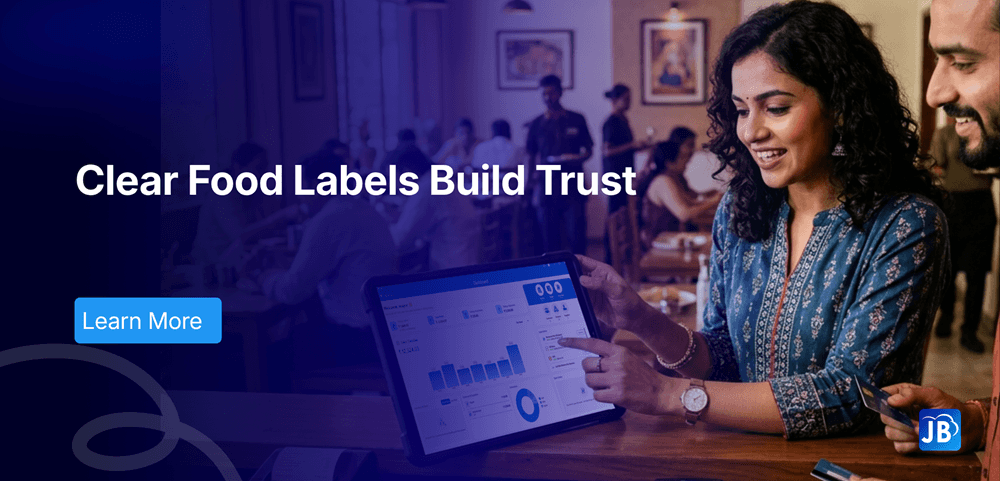
Walking into any restaurant today, one of the first things customers look for is whether a dish is vegetarian, non-vegetarian, or contains egg. This isn’t just a preference, it’s a deeply rooted cultural, ethical, and sometimes religious requirement.
In today’s digital-first restaurant ecosystem, this classification is no longer limited to printed menus. It must be seamlessly integrated into POS systems, online ordering platforms, QR menus, and delivery apps.
That’s where veg non veg classification POS systems play a crucial role. Proper restaurant food labeling isn’t just about clarity it’s about compliance, trust, and operational excellence.
Industry Context: POS Software in Modern Restaurants
The restaurant industry has rapidly evolved with technology adoption. POS software is no longer just a billing tool it acts as the central nervous system of restaurant operations.
With integrations across delivery platforms, digital payments, and QR-based ordering, the importance of accurate menu classification has increased significantly.
Studies suggest that nearly 70% of Indian consumers check food type indicators before ordering, especially on online platforms. A lack of proper classification can lead to confusion, order cancellations, and even reputational damage.
What is Veg, Non-Veg, and Egg Classification in Menus?
Menu classification refers to categorizing food items based on their ingredients:
- Vegetarian (Veg): No meat, poultry, fish, or eggs
- Non-Vegetarian (Non-Veg): Includes meat, poultry, or seafood
- Egg-based (Egg): Contains eggs but no meat
In India, this classification is typically represented using green and red symbols as per food safety guidelines. However, with evolving consumer expectations, restaurants are now adding a third category—egg—to eliminate ambiguity.
Why Proper Restaurant Food Labeling Matters
1. Builds Customer Trust and Transparency
Customers rely heavily on menu labels to make quick decisions. A clear classification removes ambiguity and ensures they feel confident ordering.
Studies suggest that nearly 60% of customers prefer restaurants that clearly label dietary categories.
2. Ensures Compliance with Regulations
In India, food labeling guidelines are influenced by FSSAI standards. Mislabeling food can lead to penalties or reputational damage.
Accurate classification helps restaurants stay compliant and audit-ready.
3. Reduces Order Errors
Miscommunication between kitchen staff and service teams often leads to wrong orders. Proper POS tagging ensures that:
- Orders are clearly identified
- Kitchen staff receives accurate instructions
- Customer complaints are minimized
4. Improves Online Delivery Accuracy
Delivery platforms depend on structured data. If your menu isn’t correctly classified:
- Listings may be rejected
- Customers may leave negative reviews
- Order cancellations may increase
The Hidden Problems Without Proper Classification
Many restaurants underestimate the impact of poor menu categorization. Here’s what often happens:
- Confusion between veg and egg dishes
- Incorrect orders leading to refunds
- Negative online reviews affecting ratings
- Operational delays in kitchens
- Compliance risks during inspections
Even a small mistake can result in long-term damage to brand reputation.
Step-by-Step: How to Implement Menu Classification in POS
Step 1: Define Clear Categories
Start by standardizing your menu into Veg, Non-Veg, and Egg categories. Avoid mixing items across categories.
Step 2: Tag Items in POS System
Use your POS software to assign classifications to each item. This ensures consistency across billing, kitchen display systems, and online platforms.
Step 3: Use Visual Indicators
Add color-coded icons or labels (green/red/yellow) in menus, QR codes, and digital screens for quick identification.
Step 4: Sync Across Platforms
Ensure your classification reflects across all channels like POS, website, delivery apps, and QR menus.
Step 5: Train Staff
Educate staff about the importance of accurate classification. Even the best system fails without proper human understanding.
Real-World Example
Consider a mid-sized restaurant offering multi-cuisine dishes. Initially, egg-based items were grouped under vegetarian. Customers frequently complained, especially those strictly avoiding eggs.
After implementing proper classification in their POS system:
- Order errors dropped by 40%
- Customer complaints reduced significantly
- Online ratings improved within 3 months
This shows how a simple structural change can transform customer experience.
Expert Best Practices for Menu Classification
A well-implemented classification system goes beyond basic tagging. Experts recommend:
- Always treat egg as a separate category in India
- Maintain consistency across all digital and physical menus
- Regularly audit menu items for accuracy
- Use POS automation instead of manual labeling
- Integrate classification into inventory and kitchen workflows
These practices ensure long-term efficiency and compliance.
How Just Billing Simplifies Food Classification
Managing menu classification manually can be time-consuming, especially for growing businesses. This is where Just Billing comes in as a powerful solution.
With Just Billing, restaurants can:
- Assign Veg, Non-Veg, and Egg tags directly within the POS
- Automatically display classification on QR menus and bills
- Sync menu data with Swiggy and Zomato seamlessly
- Manage product variants with accurate food tagging
- Ensure compliance with food labeling standards
The platform’s advanced POS capabilities eliminate manual errors and ensure consistency across all ordering channels.
Whether you operate a single outlet or a multi-location chain, Just Billing helps you maintain clarity, compliance, and customer satisfaction effortlessly.
Conclusion
Veg, non-veg, and egg classification may seem like a small detail, but its impact on customer trust, compliance, and operational efficiency is massive.
In a competitive restaurant landscape, getting the basics right is what sets successful businesses apart. A well-structured POS system that supports accurate classification ensures smoother operations, happier customers, and stronger brand credibility.
If you’re serious about improving your restaurant’s performance, now is the time to upgrade your menu management with the right technology.
FAQ's:
It is the process of categorizing menu items into vegetarian, non-vegetarian, and egg-based within a POS system for accurate billing and display.
Food labeling helps customers make informed choices, ensures compliance with regulations, and reduces order errors.
It reduces confusion, improves order accuracy, and streamlines kitchen workflows.
Yes, proper classification improves visibility, filtering, and customer experience on delivery apps.
Yes, modern POS systems like Just Billing allow automated tagging and synchronization across platforms.

Search for article
Popular Posts
Download Our App
Share the Post
Explore our POS Software
Retail Billing Software
Super market, Grocery, Electronics, Gift Shops & Stationery
Restaurant Billing Software
Take away, Self service, Ice cream parlor, Coffee shop, Bakery
POS for Service Business
Accountant, Lawyer, Consultant, Photographer
Join Our Newsletter
Receive the latest blog posts, industry insights & exclusive Just Billing updates directly to your inbox.