

Why Businesses Need Ecommerce and POS Integration to Scale Faster
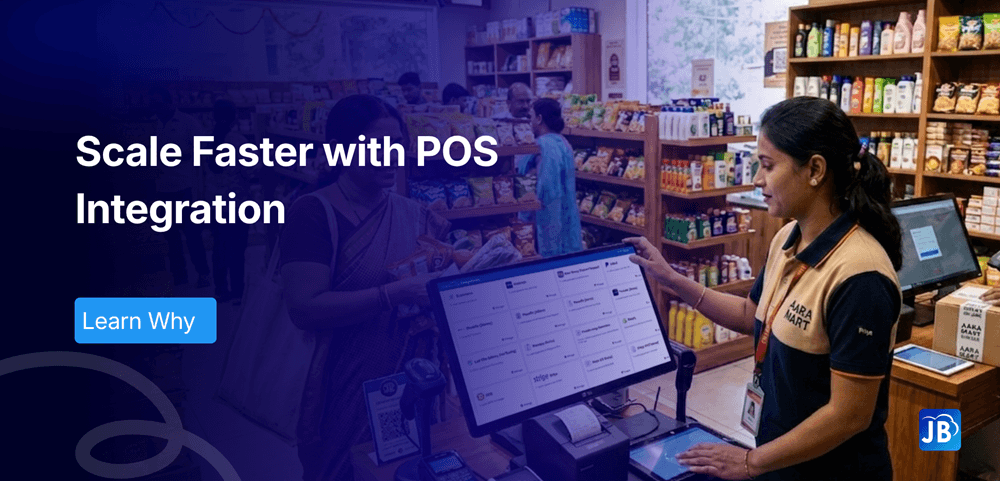
Scaling a business today is no longer just about increasing sales, it’s about managing operations efficiently across multiple channels. Customers now expect a seamless experience whether they shop online, visit a physical store, or order through delivery platforms.
Yet many businesses still operate with disconnected systems, one for billing, another for ecommerce, and separate tools for inventory. This fragmentation slows growth, creates errors, and limits visibility.
This is where ecommerce and POS integration becomes a game-changer. By connecting online and offline operations into a single ecosystem, businesses can unlock faster growth, better customer experiences, and smarter decision-making.
The Shift Toward Unified Commerce
In the retail and restaurant POS software industry, the shift from multichannel to omnichannel commerce is accelerating. According to recent market estimates, over 70% of customers expect brands to offer a consistent experience across channels.
Businesses that fail to integrate their systems often struggle with:
- Inventory mismatches between online and offline stores
- Delayed order processing
- Manual reconciliation errors
- Poor customer experience
Modern businesses are moving toward unified commerce where ecommerce platforms and POS systems work together in real time.
What is Ecommerce and POS Integration?
Ecommerce and POS integration connects your online store with your billing system so that all data flows seamlessly between them. This includes sales, inventory, customer data, and payments.
Instead of managing separate systems, everything updates automatically in one place. When a product is sold online, inventory adjusts instantly in-store. When a customer buys in-store, their data reflects in your ecommerce system.
This real-time synchronization eliminates duplication, reduces errors, and improves operational efficiency.
Why Businesses Struggle Without Integration
Many growing businesses initially operate with separate systems. While this may work at a small scale, it creates serious challenges as they expand.
Disconnected systems often lead to:
- Inventory mismatches and stockouts
- Duplicate data entry and human errors
- Delayed reporting and poor decision-making
- Frustrating customer experiences
Over time, these inefficiencies slow down growth and increase operational costs.
Key Benefits of Ecommerce and POS Integration
1. Real-Time Inventory Synchronization
One of the biggest advantages is accurate inventory across all channels. When stock updates automatically, businesses avoid overselling and stockouts.
This is especially critical for fast-moving industries like retail and food services, where even a small mismatch can impact revenue.
2. Faster Order Processing
Integrated systems streamline order management. Online orders can be processed directly from the POS, reducing manual effort and errors.
This leads to quicker fulfillment, happier customers, and better operational efficiency.
3. Unified Customer Experience
Customers expect consistency. Whether they shop online or offline, they want the same pricing, offers, and experience.
Integration enables businesses to maintain a single customer profile, making it easier to offer personalized discounts, loyalty programs, and targeted communication.
4. Better Business Insights
When all data is centralized, decision-making becomes easier. Businesses get a complete view of:
- Sales performance across channels
- Customer behavior patterns
- Product demand trends
This allows smarter planning and faster response to market changes
5. Seamless Multichannel Selling
Integration enables businesses to sell across platforms, website, store, delivery apps without operational complexity.
This expands reach while maintaining control over operations.
How Integration Helps Businesses Scale Faster
Scaling is not just about adding more stores or products, it’s about handling increased complexity without losing control.
Ecommerce and POS integration supports scaling by:
- Ensuring consistency across multiple locations
- Managing high-volume transactions efficiently
- Supporting global operations with multi-currency and tax compliance
- Providing centralized control over all business activities
For example, a restaurant expanding into online delivery platforms can manage dine-in, takeaway, and delivery orders from a single system without confusion.
Real-World Use Case
Consider a mid-sized retail business that sells both in-store and online. Before integration, they faced frequent stock mismatches and delayed order processing.
After implementing an integrated POS system:
- Inventory errors reduced by nearly 50–60%
- Order processing time improved significantly
- Customer satisfaction increased due to faster service
This transformation directly contributed to higher sales and smoother operations.
Best Practices for Successful Integration
To fully benefit from ecommerce and POS integration, businesses should follow a strategic approach.
Start by choosing a scalable system that supports both online and offline operations. Ensure it offers real-time synchronization and supports multiple integrations like payments, delivery platforms, and communication tools.
It’s also important to train your team and standardize workflows. Technology alone is not enough; your processes must align with your growth goals.
How Just Billing Enables Seamless Integration
For businesses looking to scale efficiently, Just Billing offers a powerful, all-in-one solution that connects ecommerce and POS operations effortlessly.
With its advanced integration capabilities, businesses can:
- Sync inventory and sales in real time
- Manage online and offline orders from one platform
- Integrate with delivery platforms like Swiggy and Zomato
- Accept multiple payment methods including cards, Stripe, and PayPal
- Send automated WhatsApp invoices and payment reminders
- Track profit and loss instantly with real-time reporting
Its centralized backoffice ensures complete control over operations, while multi-currency support and tax compliance features make it ideal for businesses expanding globally.
Whether you’re running a retail store, restaurant, or multi-location business, Just Billing provides the infrastructure needed to scale without operational chaos.
Expert Insights: What Growing Businesses Should Focus On
Businesses aiming for long-term growth should prioritize integration early rather than treating it as an afterthought.
Investing in the right system at the right time can prevent costly operational issues later. It also ensures that your business is ready to handle increased demand without compromising on quality or efficiency.
In today’s competitive landscape, integration is not just a technical upgrade,it’s a strategic advantage.
Conclusion
Ecommerce and POS integration is no longer optional for businesses that want to scale quickly and sustainably. It brings together all aspects of operations, from sales and inventory to customer experience and analytics.
By eliminating inefficiencies and enabling real-time visibility, integration empowers businesses to grow faster with confidence.
Whether you’re a retailer, restaurant owner, or service provider, adopting an integrated system like Just Billing can transform the way you operate and unlock new growth opportunities.
FAQ's:
It is the process of connecting your online store with your point-of-sale system to manage sales, inventory, and customer data from a single platform.
It ensures real-time data synchronization, reduces manual work, and helps manage multiple sales channels efficiently.
Absolutely. It enables consistent pricing, faster service, and personalized interactions across all channels.
Just Billing offers seamless integrations with payment systems, delivery platforms, and ecommerce tools, along with advanced reporting and automation features.
Yes, modern integrated systems allow centralized management of multiple stores, making scaling easier and more efficient.
Search for article
Popular Posts
Download Our App
Share the Post
Explore our POS Software
Retail Billing Software
Super market, Grocery, Electronics, Gift Shops & Stationery
Restaurant Billing Software
Take away, Self service, Ice cream parlor, Coffee shop, Bakery
POS for Service Business
Accountant, Lawyer, Consultant, Photographer
Join Our Newsletter
Receive the latest blog posts, industry insights & exclusive Just Billing updates directly to your inbox.