

Why App Performance Matters in Multi-User Environments
A customer waiting in line rarely notices your technology when everything works smoothly. But the moment a billing screen freezes, an order takes too long to load, or multiple users struggle with delays, technology becomes highly visible and not in a good way.
For businesses running retail stores, supermarkets, restaurants, or multi-location operations, app performance directly affects daily operations. In environments where several employees work simultaneously on the same system, even small performance issues create larger operational bottlenecks.
This is why POS multi-user performance has become a critical business factor rather than just a technical specification. A stable POS system ensures faster transactions, improved customer experiences, smoother teamwork, and operational consistency even during peak business hours.
As businesses scale and teams grow, the ability of a POS platform to handle simultaneous activity becomes one of the strongest indicators of long-term reliability.
Understanding the Industry Context: Modern POS Software Demands Have Changed
The retail and restaurant technology industry has changed rapidly over the last few years. Businesses no longer operate through a single billing desk and a basic transaction system.
Today’s operations involve:
- Multiple cashiers working together
- Online order integrations
- Delivery platform synchronization
- Inventory updates in real time
- Customer loyalty tracking
- QR ordering systems
- Payment gateway processing
- Centralized reporting
Research across digital commerce and retail technology markets suggests that delays beyond a few seconds during customer interactions can significantly affect satisfaction and conversion rates. In busy environments, the effect becomes amplified because performance issues impact multiple employees simultaneously.
For a restaurant during dinner service or a retail store during festive shopping periods, slow systems create a chain reaction across operations.
The challenge is no longer simply “having POS software.”
The challenge is having software that performs consistently under pressure.
What Is POS Multi-User Performance?
POS multi-user performance refers to a system’s ability to handle several users and activities simultaneously without slowing down or crashing.
The challenge isn’t supporting one cashier.
The challenge begins when:
- Five billing counters operate together
- Online orders arrive continuously
- Payment systems process transactions
- Inventory updates instantly
- Management dashboards refresh in real time
A high-performing POS solution processes all of these activities seamlessly.
Users should never feel system strain during peak hours.
Why POS Multi-User Performance Directly Impacts Business Results
Faster Billing Improves Customer Satisfaction
Customers dislike waiting.
In retail environments, checkout speed directly influences customer experience. Research across digital and retail sectors repeatedly shows that delays significantly affect satisfaction and repeat visits.
If a cashier clicks “Generate Bill” and waits several seconds for a response, lines grow rapidly.
Fast systems create:
- Shorter queues
- Higher transaction capacity
- Better customer experiences
- Increased repeat business
Milliseconds become meaningful during peak business hours.
Better Employee Productivity
Slow software creates hidden operational costs.
Employees often repeat actions because screens freeze or responses lag. Duplicate orders, repeated entries, and billing confusion begin appearing.
Fast systems help teams:
- Work confidently
- Reduce mistakes
- Complete tasks faster
- Focus on customer service
Staff productivity often improves simply because technology stops becoming an obstacle.
Reduced System Failures During Peak Demand
Performance issues usually appear at the worst possible time.
Retail stores experience rush periods during weekends and holidays. Restaurants face lunch and dinner peaks.
Weak systems often struggle exactly when businesses need them most.
A high-performance POS should maintain:
- Stable response times
- Consistent synchronization
- Reliable payment processing
- Smooth reporting functionality
Business growth should never create technology limitations.
Real-World Example: Restaurant Rush Hour Chaos
Consider a mid-sized restaurant handling dine-in guests, takeaway customers, and delivery orders.
Initially, the restaurant used software designed primarily for small businesses.
Everything worked smoothly during regular hours.
But during weekend dinner rushes:
Cashiers processed bills simultaneously.
Kitchen tickets updated continuously.
Delivery orders entered through external platforms.
Managers monitored sales reports.
Within minutes:
- Billing screens slowed down
- Orders appeared late
- Payments occasionally stalled
- Customers waited longer
The restaurant upgraded to a stable POS system designed for multi-user operations.
The improvements became visible within weeks:
- Faster transaction processing
- Reduced waiting times
- Better order flow
- Improved employee productivity
- Higher customer satisfaction
Performance became a competitive advantage.
Common Signs Your POS Performance Is Becoming a Problem
Many businesses ignore early warning signs because the issues appear small initially.
Watch for patterns such as:
Delayed Billing
Even a few seconds added to transaction processing can create long queues.
Screen Freezing During Rush Hours
Peak traffic periods expose performance limitations quickly.
Slow Inventory Syncing
Stock information updates late, causing order inaccuracies.
Failed Integrations
Payment systems, delivery apps, and external services may experience interruptions.
Staff Complaints
Employees often detect performance issues before managers do.
Repeated feedback like “the system feels slow” should never be ignored.
Best Practices for Maintaining a Stable POS System
A strong multi-user environment requires more than hardware upgrades.
Prioritize Scalable Software Architecture
Systems should support growth without requiring complete replacement.
Scalable architecture helps businesses expand locations, users, and transactions smoothly.
Monitor Performance Regularly
Track:
- Transaction speed
- System response time
- Synchronization delays
- Database activity
- User load behavior
Performance monitoring helps identify problems early.
Keep Integrations Optimized
Modern businesses rely on multiple integrations:
- Delivery platforms
- Payment gateways
- Messaging tools
- Reporting systems
Poorly managed integrations can affect overall performance.
Choose Software Built for Simultaneous Activity
Not every POS handles multiple users equally.
Businesses should select systems designed specifically for:
- Multi-terminal usage
- Real-time synchronization
- cloud operations
- rapid transaction processing
How Just Billing Solves Multi-User Performance Challenges
As businesses grow, software performance requirements grow as well.
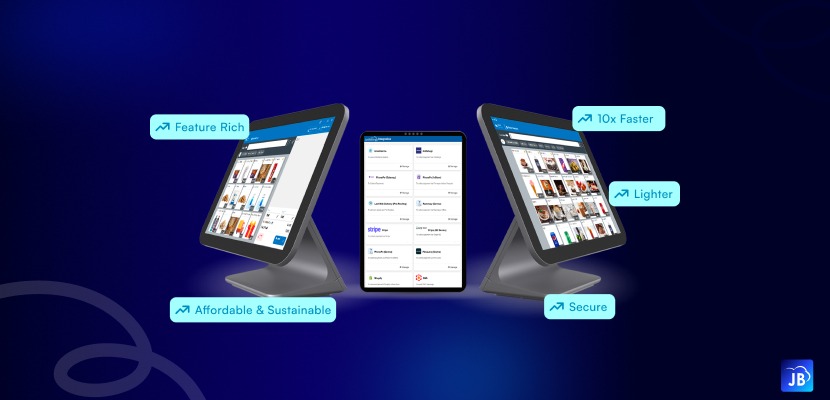
Just Billing is designed for modern retail and restaurant environments where multiple users operate simultaneously.
The platform delivers features that support speed, reliability, and scalability:
- Smart Payments with cards, Stripe, PayPal, and in-store processing
- Swiggy and Zomato integration management
- Real-time Profit & Loss reporting
- QR ordering capabilities
- Multi-currency operations
- Centralized backoffice management
- Advanced inventory and customer management
- WhatsApp invoice automation
- Enhanced performance optimization across platforms
Available on Windows, Android, iOS, and centralized management systems, Just Billing helps businesses maintain smooth operations without sacrificing performance.
Whether teams operate from one counter or multiple locations, the platform is built to support simultaneous activity efficiently.
Conclusion
As businesses become increasingly connected, multiple users working simultaneously is now standard, not exceptional.
This makes POS multi-user performance one of the most important technology considerations for retailers and restaurants.
A stable POS system supports growth, improves staff efficiency, protects customer experiences, and ensures operations continue smoothly even during the busiest periods.
Investing in performance today prevents operational challenges tomorrow.
For businesses seeking a scalable platform designed for speed and stability, explore what Just Billing offers and discover how modern POS infrastructure supports long-term growth.
FAQ's:
Businesses should assess scalability, simultaneous user support, performance testing, integrations, and long-term stability.
Just Billing offers performance enhancements, multi-device support, integrations, smart payments, inventory control, and optimized speed for growing businesses.
Yes. Slow billing and checkout delays often increase waiting times and negatively impact customer experience.
Common signs include delayed billing, freezing screens, syncing issues, slow reporting, and staff complaints during peak hours.
Growth increases transactions, users, product data, integrations, and reporting complexity, placing greater demand on software infrastructure.

Search for article
Popular Posts
Download Our App
Share the Post
Explore our POS Software
Retail Billing Software
Super market, Grocery, Electronics, Gift Shops & Stationery
Restaurant Billing Software
Take away, Self service, Ice cream parlor, Coffee shop, Bakery
POS for Service Business
Accountant, Lawyer, Consultant, Photographer
Join Our Newsletter
Receive the latest blog posts, industry insights & exclusive Just Billing updates directly to your inbox.