
Use Case: Business Managing All Channels from One Dashboard
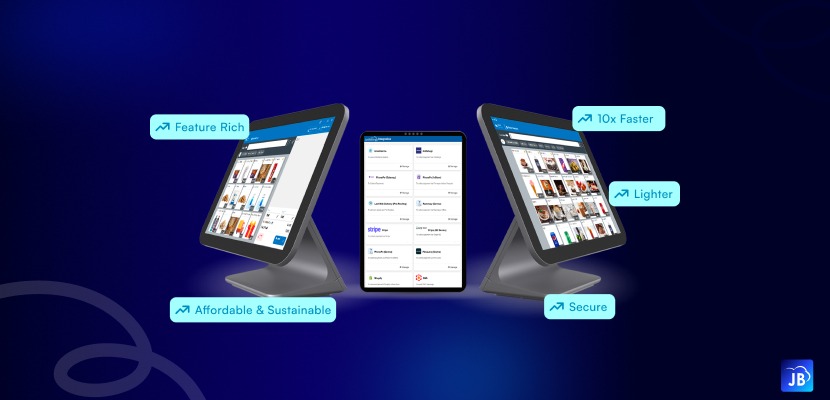
Modern businesses no longer operate through a single sales channel. A restaurant may accept dine-in payments, online delivery orders, QR menu purchases, and digital wallet transactions at the same time. A retail store may sell through physical counters, eCommerce platforms, WhatsApp orders, and third-party marketplaces simultaneously.
While this creates more revenue opportunities, it also introduces operational complexity. Managing separate systems for billing, delivery apps, inventory, accounting, and customer communication often leads to delays, data mismatches, and lost visibility.
This is where a one dashboard POS becomes essential.
An integrated business dashboard allows businesses to monitor operations, payments, orders, customer activity, stock movement, and financial performance from a single centralized platform. Instead of switching between multiple applications, teams gain complete control through one interface.
For growing retail stores, restaurants, distributors, and service businesses, centralized management is quickly becoming the standard for efficient operations and scalable growth.
Why Businesses Are Moving Toward Integrated Business Dashboards
The retail and restaurant industries have changed significantly over the last few years. According to industry estimates, businesses using multiple digital sales channels generate nearly 30–40% higher customer engagement than those operating through a single channel.
However, many businesses still manage operations using disconnected tools:
- Separate billing software
- Independent payment apps
- Delivery platform dashboards
- Inventory spreadsheets
- Accounting systems
- Manual reporting methods
The result is operational chaos.
Managers spend valuable time reconciling data instead of improving customer experience or increasing sales. Staff members often duplicate tasks across platforms, increasing the risk of errors.
An integrated business dashboard solves this by centralizing every important business activity into one ecosystem.
With a unified dashboard, businesses can:
- Monitor sales in real time
- Track online and offline orders together
- Reconcile payments instantly
- Manage inventory centrally
- Analyze profits and losses faster
- Automate customer communication
- Improve operational accuracy
This operational visibility becomes especially important for businesses handling high daily transaction volumes.
What Is a One Dashboard POS?
A one dashboard POS is a centralized business management platform that combines billing, payments, inventory, customer management, analytics, and third-party integrations into a single system.
Instead of using disconnected software for every business process, all operations flow into one dashboard.
This means a business owner can:
- View in-store and online sales together
- Manage Swiggy and Zomato orders from one place
- Accept card, PayPal, Stripe, and cash payments
- Send WhatsApp invoices automatically
- Track stock availability in real time
- Analyze financial performance instantly
The biggest advantage is visibility. Businesses gain a complete operational picture without switching between platforms.
The Biggest Challenges Businesses Face Without Centralized Management
Businesses operating through multiple systems often encounter problems that slow growth and reduce profitability.
Data Fragmentation
When inventory, billing, and delivery platforms operate separately, data becomes inconsistent. A product may show as available online even when it is out of stock in-store.
Delayed Financial Reporting
Without real-time synchronization, managers wait until the end of the day or week to understand sales performance and profitability.
Payment Reconciliation Errors
Businesses accepting payments from multiple gateways frequently struggle to match transactions manually.
Poor Customer Experience
Disconnected systems create delays in order fulfillment, invoicing, and customer communication.
Operational Inefficiency
Employees waste time updating multiple platforms instead of focusing on customers and business growth.
For businesses planning expansion, these inefficiencies multiply quickly.
How a Centralized POS Dashboard Improves Business Operations
Real-Time Operational Visibility
A centralized dashboard provides instant access to:
- Total sales
- Payment status
- Inventory levels
- Customer activity
- Order flow
- Profit and loss reports
Managers can make faster decisions because information is available immediately.
Unified Payment Management
Modern businesses accept multiple payment methods:
- Credit and debit cards
- UPI payments
- Digital wallets
- Stripe
- PayPal
- Cash payments
A centralized POS consolidates all payment data into one interface, simplifying reconciliation and financial tracking.
Better Inventory Accuracy
Inventory synchronization across all sales channels prevents overselling and stock mismatches.
For example, if a restaurant sells a menu item through dine-in orders and online delivery apps, stock updates automatically across every platform.
Faster Order Processing
Integrated delivery management significantly improves order handling efficiency.
Restaurants connected with Swiggy and Zomato can manage incoming orders directly from the POS dashboard instead of switching between apps.
Improved Customer Communication
Automated invoice sharing and payment reminders through WhatsApp reduce manual follow-ups and improve customer convenience.
Real-World Example: Multi-Channel Restaurant Operations
Imagine a growing restaurant handling:
- Dine-in customers
- Takeaway orders
- QR menu ordering
- Swiggy deliveries
- Zomato deliveries
- Online payments
Without integration, staff members constantly switch between systems.
Orders may be missed. Payments may require manual reconciliation. Inventory updates become inconsistent.
Now imagine the same restaurant using a centralized POS dashboard.
Orders from all channels appear in one interface. Kitchen workflows become organized. Inventory updates automatically. Financial reports update in real time.
The business owner gains complete operational control from one screen.
This is the practical advantage of integrated business management.
Why Omnichannel Businesses Need Scalable POS Software
As businesses grow, operational complexity increases.
A single-location store may initially manage operations manually. But expansion introduces:
- Multiple branches
- Different payment methods
- Delivery integrations
- International customers
- Tax compliance requirements
- Customer loyalty management
Without scalable systems, growth creates operational bottlenecks.
A modern one dashboard POS supports:
- Multi-location management
- Multi-currency billing
- Country-specific tax handling
- Centralized reporting
- Remote business monitoring
- Cloud-based access
This scalability becomes critical for businesses planning long-term expansion.
Best Practices for Managing All Business Channels Efficiently
Centralize Data Sources
Every operational process should connect to one platform whenever possible. This improves reporting accuracy and reduces duplication.
Use Real-Time Reporting
Business decisions are more effective when based on live data instead of delayed reports.
Automate Repetitive Tasks
Invoice sharing, payment reminders, stock updates, and customer notifications should be automated to reduce staff workload.
Prioritize Integration Compatibility
Businesses should choose POS software that supports payment gateways, delivery apps, eCommerce platforms, and communication tools.
Monitor Profitability Frequently
Real-time profit and loss visibility helps identify operational inefficiencies early.
How Just Billing Solves Multi-Channel Business Management Challenges
Just Billing provides a centralized POS ecosystem designed for modern retail stores, restaurants, distributors, and service businesses.
Its latest platform helps businesses manage every operational channel from one integrated dashboard.
Smart Payments Integration
Businesses can manage:
- Card payments
- Stripe transactions
- PayPal payments
- In-store billing
- Digital payment reconciliation
All payment activity appears within one system for easier tracking.
Delivery Platform Integration
The platform integrates directly with Swiggy and Zomato, helping restaurants streamline online delivery operations without juggling multiple dashboards.
Real-Time Profit & Loss Reporting
Managers gain instant financial visibility with live P&L insights that support faster decision-making.
QR Menu and Contactless Ordering
Restaurants can simplify customer ordering using QR-based digital menus integrated directly into billing operations.
WhatsApp Invoice Automation
Invoices and payment reminders can be sent automatically through WhatsApp, improving communication and reducing manual effort.
Advanced Inventory & Product Management
Businesses can manage:
- Product variants
- Stock movement
- Veg, Non-Veg, and Egg classifications
- Multi-location inventory tracking
Multi-Currency and Global Business Support
For businesses operating internationally, Just Billing supports:
- Multi-currency billing
- Country-based Tax ID capture
- Compliance-ready operations
Flexible Plans for Different Business Sizes
Its GO, PRO, and MAX plans allow businesses to scale based on operational requirements.
Businesses can also explore solutions available through the official website:
Just Billing POS Solutions
The Future of Business Management Is Unified
Businesses today cannot afford operational fragmentation.
Customers expect:
- Faster service
- Multiple payment options
- Online ordering
- Instant communication
- Accurate billing
- Consistent experiences
Meeting these expectations requires connected systems.
A centralized dashboard is no longer just a convenience, it has become a competitive advantage.
Companies using integrated business management platforms improve operational speed, reduce errors, increase reporting accuracy, and create better customer experiences.
As omnichannel commerce continues growing, businesses that unify operations through one dashboard will be better positioned for long-term scalability and profitability.
Conclusion
Managing multiple business channels separately creates inefficiencies that slow growth and increase operational risk. A modern one dashboard POS simplifies operations by bringing payments, orders, inventory, customer communication, analytics, and integrations into one centralized platform.
For retail stores, restaurants, distributors, and growing businesses, centralized management improves visibility, operational efficiency, and customer satisfaction.
Just Billing helps businesses streamline every operational channel through an integrated business dashboard designed for modern commerce.
Whether you operate a restaurant handling delivery orders or a retail store managing online and offline sales, the right POS platform can transform how your business operates and scales.
FAQ's:
A one dashboard POS system is a centralized platform that manages billing, payments, inventory, customer data, reporting, and third-party integrations from a single interface.
An integrated business dashboard improves operational visibility, reduces manual work, simplifies reporting, and helps businesses manage multiple channels more efficiently.
An integrated business dashboard improves operational visibility, reduces manual work, simplifies reporting, and helps businesses manage multiple channels more efficiently.
Yes. Multi-location businesses benefit from centralized reporting, inventory tracking, and operational monitoring across branches through a unified dashboard.
Businesses should look for scalability, payment integrations, delivery platform support, inventory management, reporting capabilities, and ease of use when selecting POS software.

Search for article
Popular Posts
Download Our App
Share the Post
Explore our POS Software
Retail Billing Software
Super market, Grocery, Electronics, Gift Shops & Stationery
Restaurant Billing Software
Take away, Self service, Ice cream parlor, Coffee shop, Bakery
POS for Service Business
Accountant, Lawyer, Consultant, Photographer
Join Our Newsletter
Receive the latest blog posts, industry insights & exclusive Just Billing updates directly to your inbox.